
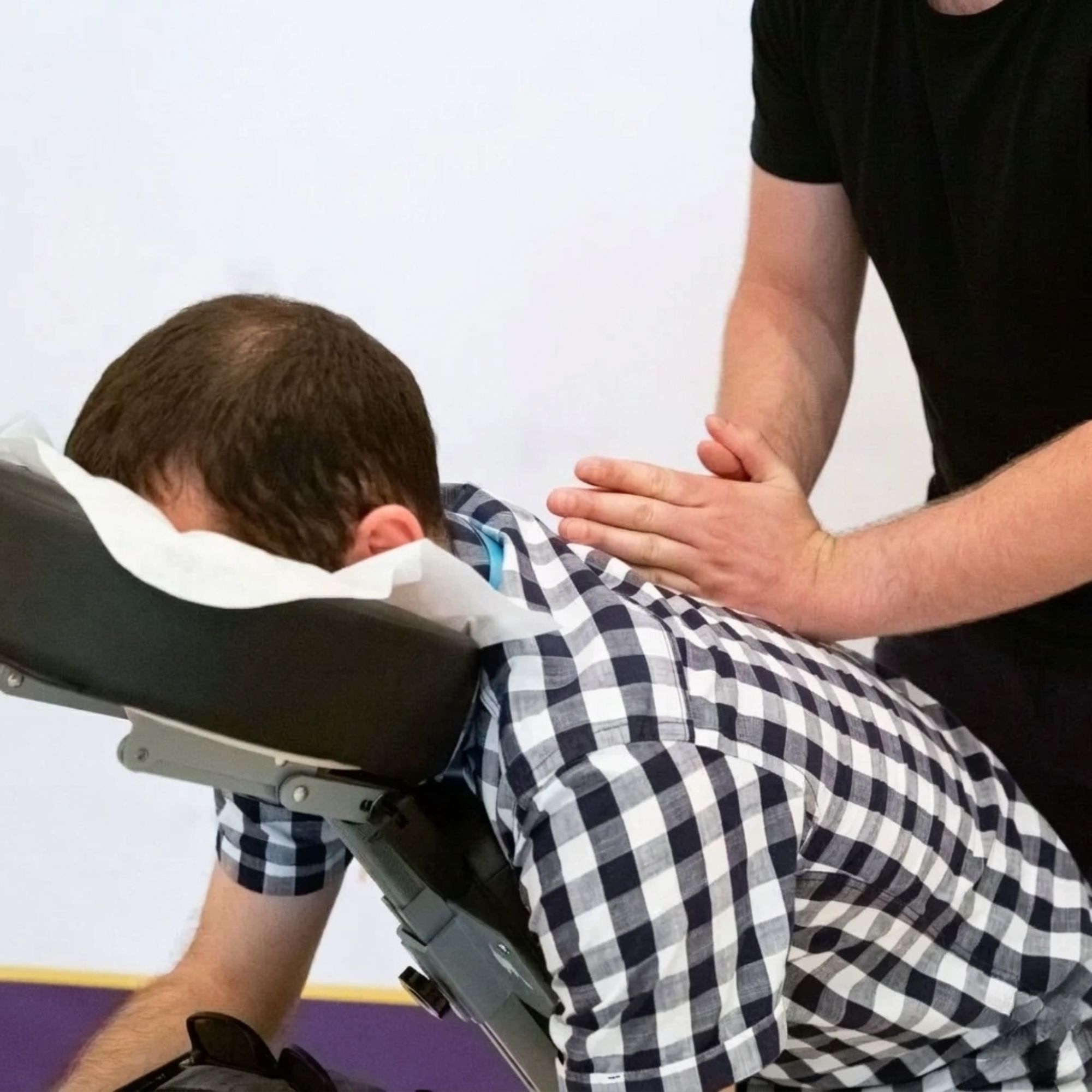
Productivity isn’t just driven by targets and timelines — it’s shaped by how people feel at work. A stressed, tense team will struggle to stay focused, while a supported and relaxed team performs with greater clarity and motivation.
Workplace massage plays a quiet but powerful role in creating this balance.
The link between physical tension and mental fatigue
Sitting for long periods, repetitive movements, and poor posture often lead to neck, shoulder, and back discomfort. Physical tension doesn’t stay in the body — it affects mood, patience, and concentration.
When employees feel physically uncomfortable, mental fatigue quickly follows.
Massage as a mid-day reset
Even short massage sessions can help reset the nervous system. Muscles relax, breathing slows, and the mind becomes clearer. Employees often return to work feeling lighter, calmer, and more focused.
This reset can improve decision-making, reduce errors, and boost overall performance.
Building morale through visible care
Providing workplace massage shows employees that wellbeing is part of company culture — not just words in a policy document. It creates moments of positivity during busy days and strengthens the emotional connection employees have with their workplace.
Teams that feel cared for are more engaged, collaborative, and loyal.
A smarter approach to productivity
Rather than pushing harder, successful organisations invest in smarter solutions. Workplace massage supports productivity by supporting people — and that investment pays off in energy, morale, and long-term engagement.

I appreciated the thorough discussion about chiropractic care during pregnancy. It’s reassuring to see safe options for expectant mothers seeking relief from discomfort without medication.